
Baseball bats have come a long way from simple wooden sticks to high-tech equipment designed for power, speed, and precision. Today’s U.S. market offers something for every player—from Little League to the Major Leagues—blending tradition, craftsmanship, and cutting-edge innovation. This guide explores the essentials: bat types, key specifications like length, weight, and barrel size, as well as league certifications every player needs to know. It also highlights the Top 10 baseball bat brands in the U.S., including legends like Louisville Slugger and Easton, modern innovators like DeMarini and Rawlings, and newcomers like Warstic and Skechers. Whether you’re chasing home run power or perfecting your swing control, this article will help you find the right bat for your game.
Baseball Bat Types and Technical Specifications
Baseball bats are generally classified into three main types—wood, alloy, and composite—while hybrid models combine the advantages of multiple materials. One of the first key specifications is length, which varies depending on the player’s level. Youth bats typically measure between 26 and 32 inches, high school and college bats between 31 and 34 inches, and Major League Baseball (MLB) bats usually range from 32 to 34 inches. Along with length, weight is also crucial. This is measured by the drop, with youth bats ranging from -13.5 to -8, BBCOR bats fixed at -3, and wood bats depending on the natural weight of the wood used.
Another important factor is the barrel diameter, which influences hitting surface and control. BBCOR and USA standard bats are limited to 2 5⁄8 inches, while USSSA bats allow for 2 3⁄4 inches. Wood bats generally range from 2 1⁄2 to 2 5⁄8 inches. Beyond size, the balance point also plays a big role in swing performance. Bats may be balanced, end-loaded, or mid-load, with each style supporting different swing techniques—balanced for speed, end-loaded for power, and mid-load for a mix of both.
Finally, materials and grip technology shape the bat’s overall feel and durability. Common materials include maple, birch, and ash for wood bats, as well as aluminum alloys and carbon fiber for modern composite designs. These choices affect longevity, flexibility, and overall performance. On the grip side, innovations such as Flow-Tack coatings, gel inserts, and ergonomic knobs help reduce vibration and provide better handling, giving players more control and comfort at the plate.
Key League Certifications
Baseball bats must meet specific league certifications, each tailored to different levels of play. For most youth leagues, a USA Baseball certification is required, emphasizing safety by limiting bat performance so that alloy and composite bats mimic the feel and output of wood. In travel and tournament play, USSSA-certified bats are used, offering hotter performance and often featuring larger barrels that provide players with more power and distance. At the high school and NCAA levels, BBCOR certification is the standard, regulating bats to perform closer to traditional wood by controlling exit velocity and reducing the trampoline effect.
Top 10 Brands of BaseBall Bats in USA
1. Easton – Precision Technology for All Levels
Easton is one of the most trusted baseball bat brands, offering advanced engineering suited for players at every stage of the game. Known for its balanced power, comfortable grip, and large sweet spots, Easton bats combine innovation with versatility, making them ideal for youth beginners as well as elite competitive hitters.
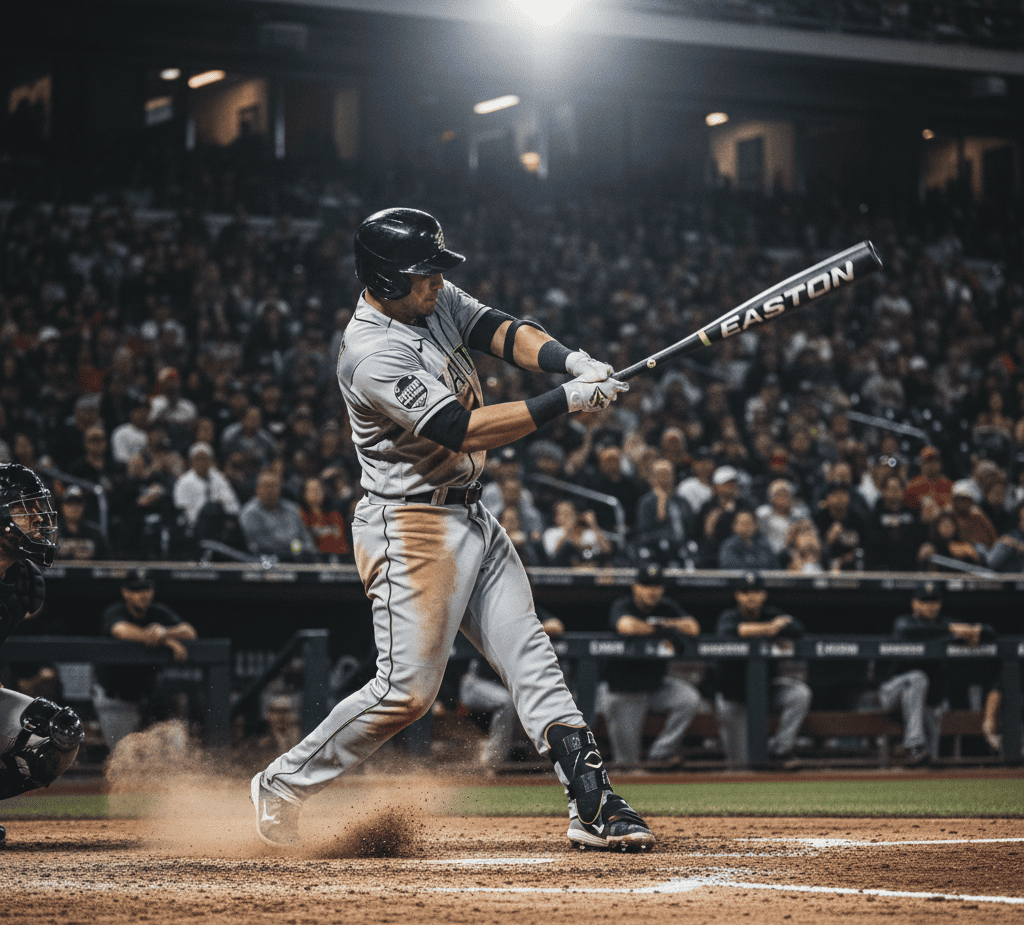
Specifications Easton bats are engineered with advanced technology that blends power, comfort, and versatility, making them a strong choice for players across all levels. They incorporate the iSo 2-piece ConneXion system, which enhances energy transfer, along with TCT composite barrels that improve responsiveness at the plate. The design also features large sweet spots for consistent hitting, a soft Power Boost lever to add swing comfort, and a Flow-Tack grip that minimizes vibration for better control. In terms of cost, composite models range from $150 to $500, while youth alloy options are priced between $70 and $150, offering choices for both beginners and experienced players. With this combination of innovation and accessibility, Easton bats are best suited for all-around hitters, from youth leagues to elite tournaments.
Pros:
- Excellent energy transfer and reduced vibration
- Large sweet spot enhances hitting consistency
- Comfortable, tacky grip for better control
- Wide range of options for different levels
Cons:
- Premium models can be expensive
- Composite barrels may require break-in period
2. Louisville Slugger – The Icon of Baseball Heritage
Louisville Slugger is more than just a brand—it’s a symbol of baseball tradition, trusted by generations of players. Known for its craftsmanship and constant innovation, it combines heritage with modern performance. From youth athletes to professionals, players choose Louisville Slugger for its iconic feel, advanced technology, and proven ability to deliver power, precision, and comfort at every swing.
Specifications
The Louisville Slugger lineup, highlighted by the Meta and Atlas models, is designed to elevate hitting performance. These bats feature an EKO composite barrel that enhances pop and responsiveness, AI-optimized tapers that promote smoother and more controlled swings, and vibration-reducing joints that improve comfort at contact. Price ranges vary widely, with BBCOR and composite bats falling between $200 and $600+, while pro-level wood bats begin at around $100. With its blend of classic design and modern upgrades, Louisville Slugger remains a top choice for players looking for professional-grade bats with a legacy-driven feel.
Pros:
- Strong heritage and trusted reputation.
- Advanced technology for consistent performance.
- Wide variety of models for all levels.
Cons:
- Premium models are expensive.
- Wood bats may wear out faster than composites.
3. Rawlings – AI Engineered for Precision
Rawlings has built its reputation on precision and performance, offering some of the most technologically advanced bats in modern baseball. Trusted by competitive players, Rawlings blends innovation with playability, giving athletes the tools to improve swing speed, balance, and consistency. Its forward-looking design ensures both comfort and control, making it a preferred choice for players at advanced levels.
Specifications
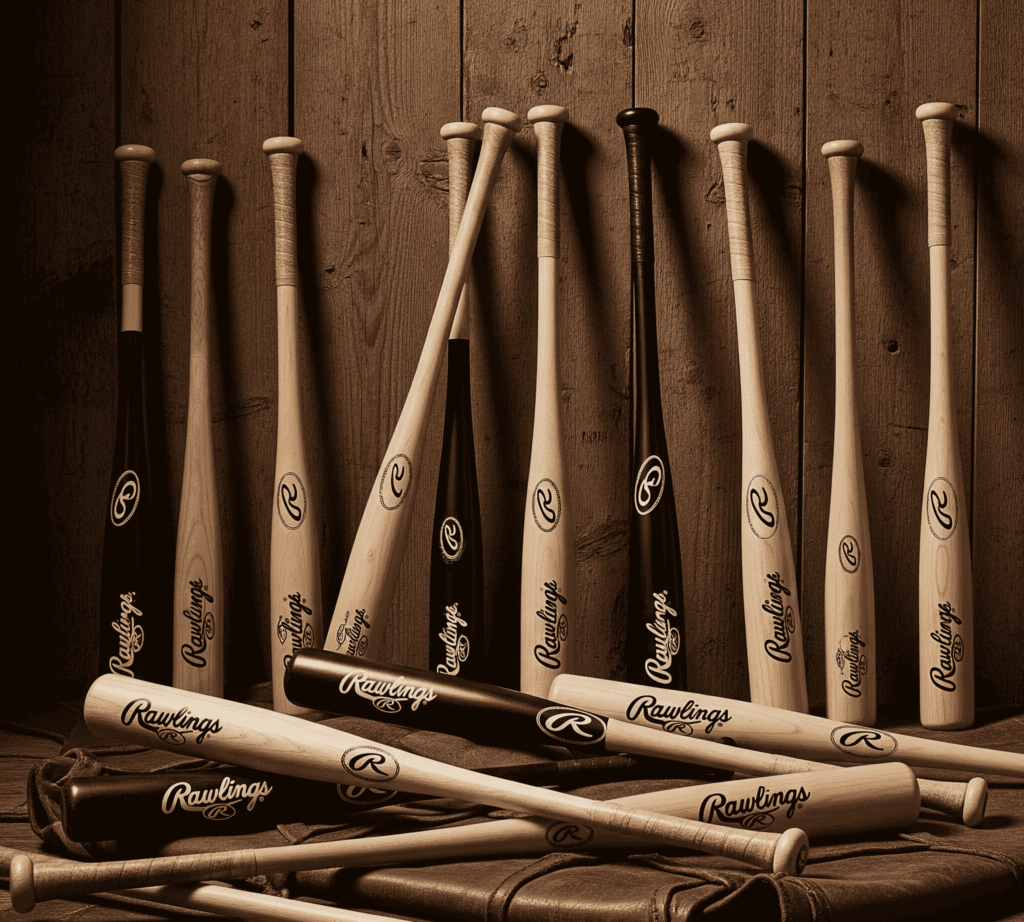
The Rawlings Icon series stands out with its use of In/Tense Carbon layers and MACH AI technology, engineered for maximum responsiveness and durability. These bats incorporate a Zero Loss Collar that minimizes vibration, allowing for smoother contact and improved handling. With a balanced swing weight, they provide hitters with better control and accuracy at the plate. Rawlings offers a wide price range, with composites running from $150 to $500 and wood models priced between $80 and $200, making them accessible to players seeking premium performance without sacrificing value.
Pros:
- AI-driven technology for precision and responsiveness.
- Balanced swing weight improves control.
- Strong vibration reduction for comfort.
Cons:
- Composite models can be costly.
- May not deliver as much raw power as end-loaded bats.
4. DeMarini – Power-First Alloy Engineering
DeMarini is celebrated for its bold designs and power-driven engineering, making it a go-to brand for hitters who want explosive performance. Known for pushing the limits of alloy and hybrid technology, DeMarini bats deliver unmatched pop, durability, and swing momentum. Its focus on innovation and strength makes it especially popular among competitive players looking to maximize their hitting potential.
Specifications
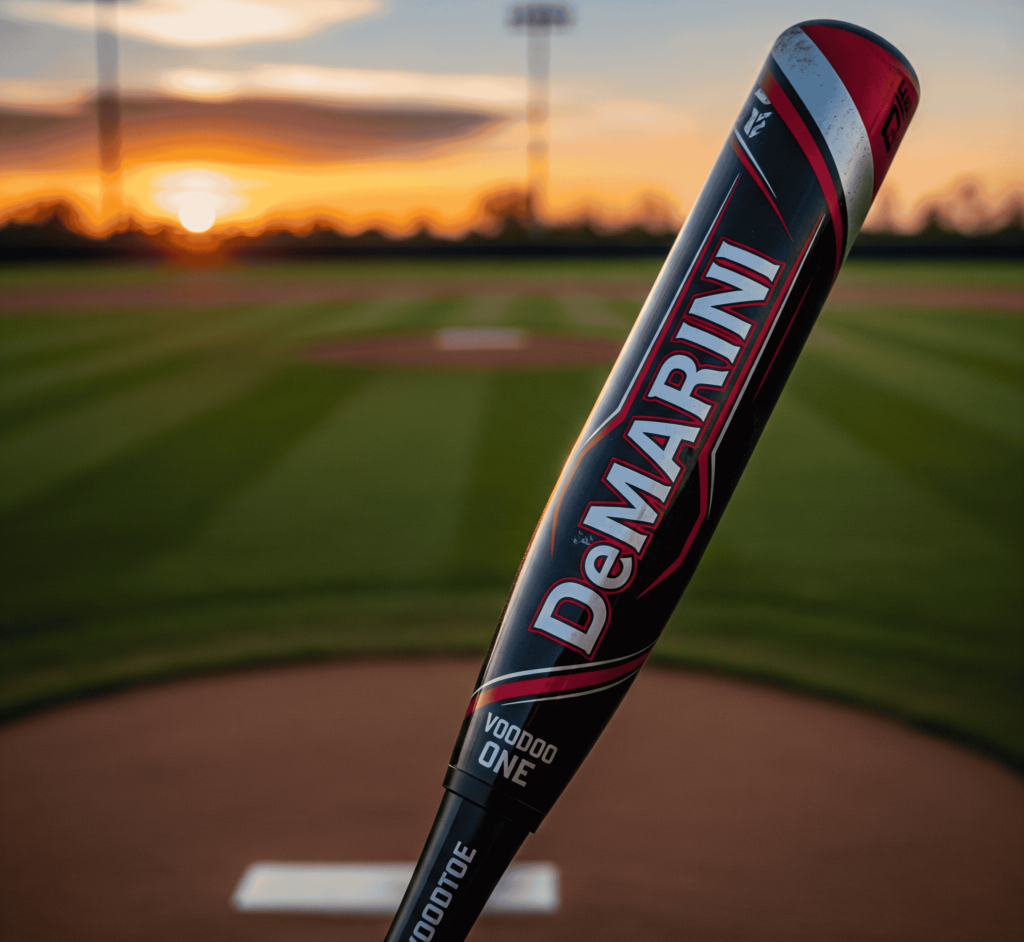
DeMarini bats are crafted with X14 alloy barrels, built to optimize strength and responsiveness. Enhanced end caps are designed to generate explosive contact, providing players with added power at the plate. The brand offers both end-loaded and hybrid models, catering primarily to power hitters who thrive on heavy swings and big hits. Prices range from $150 to $400 for hybrid and alloy models, with youth bats starting at just over $100, offering strong durability and reliable performance across levels.
Pros:
- X14 alloy provides explosive hitting power.
- Durable construction ideal for heavy use.
- Hybrid and end-loaded options suit power hitters.
Cons:
- Less balanced than competitor bats.
- End-loaded design may not suit contact hitters.
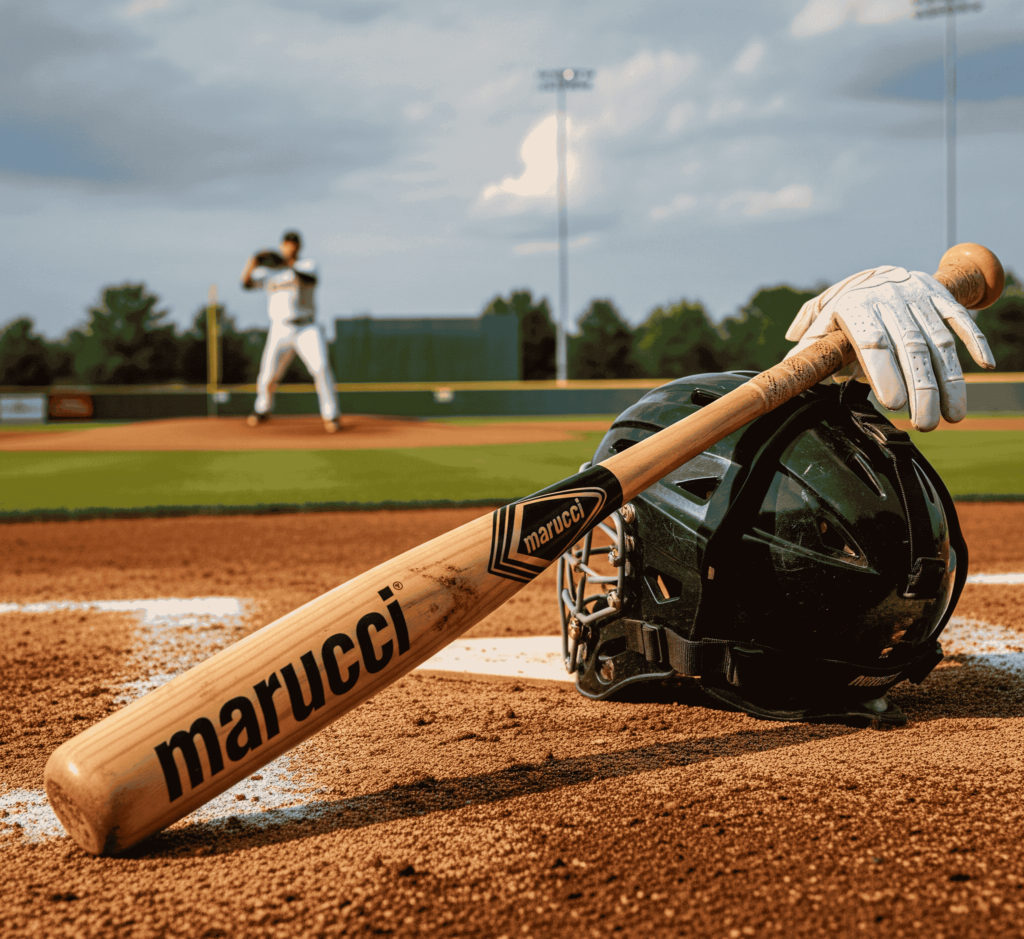
5. Marucci – Customization and Pro-Level Performance
Marucci has become a trusted name among serious players, known for its handcrafted quality and professional-grade designs. Built with a strong emphasis on tradition and personalization, Marucci bats deliver a classic hitting feel with modern performance features. Players choose Marucci for its balance between craftsmanship, comfort, and the ability to customize bats to suit their individual style.
Specifications
Marucci bats are distinguished by their handcrafted wood models, carefully shaped for precision and durability. They feature thin warrior grips that provide excellent comfort and control, along with options for both balanced and end-loaded profiles to match different hitting styles. The brand offers wood bats priced between $80 and $250, while hybrid and composite models range from $200 to $400, giving players a variety of choices that balance tradition with innovation.
Pros:
- Handcrafted wood bats ensure top-tier quality.
- Customizable profiles for different swing preferences.
- Trusted by many professional players.
Cons:
- Wood bats are less durable than alloy or composite.
- Higher-end hybrids can be pricey.
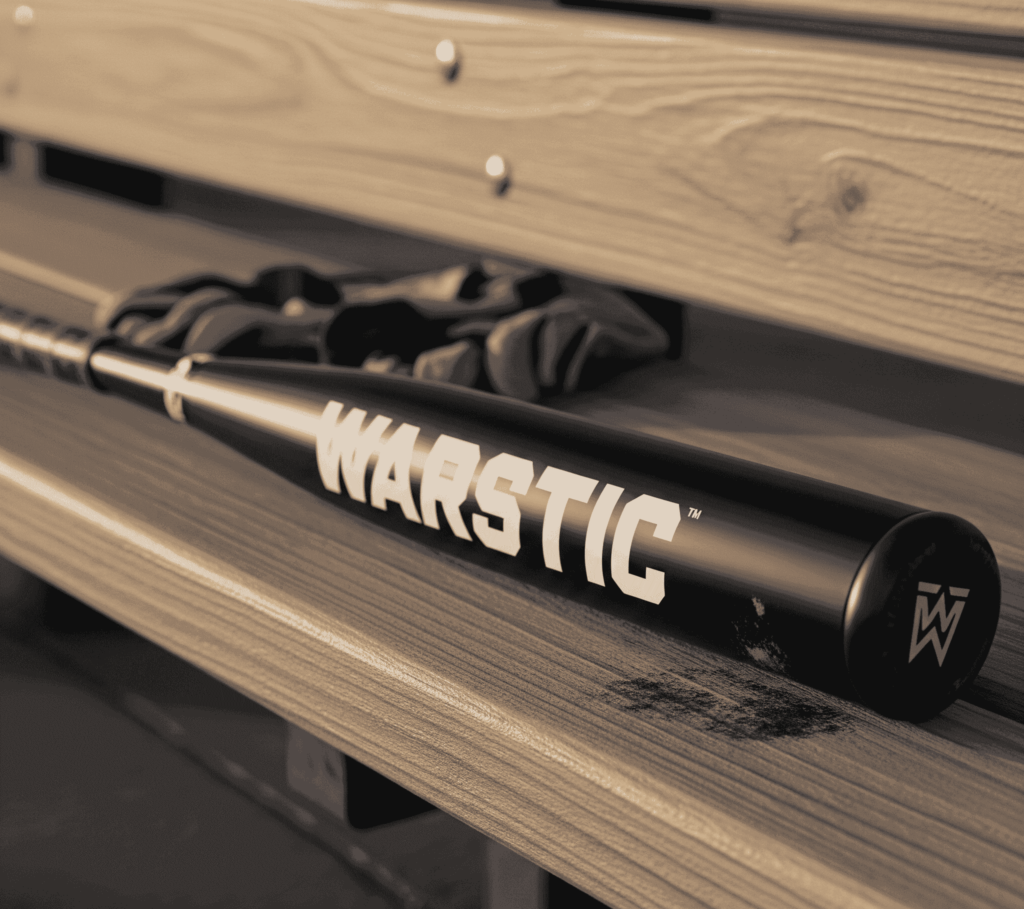
6. Warstic – Player-First Design and Aesthetic
Warstic is a unique brand that blends performance with artistry, making it stand out in the baseball bat market. Known for its stylish handcrafted designs and player-first philosophy, Warstic appeals not only to athletes but also to collectors who value aesthetic appeal. It combines modern engineering with bold branding, offering both functionality and visual impact.
Specifications
Warstic bats utilize AI-modeled designs to ensure optimized performance while maintaining a handcrafted finish that emphasizes individuality and style. The brand’s artistic branding adds a collectible appeal, making its bats as much a statement piece as a performance tool. With a price range between $150 and $500, Warstic serves both competitive players and enthusiasts who want bats that perform well on the field and look striking off it.
Pros:
- Stylish, handcrafted designs with unique branding.
- AI-modeled engineering enhances performance.
- Appeals to both players and collectors.
Cons:
- Higher price point compared to basic models.
- More focused on aesthetics than pure performance.
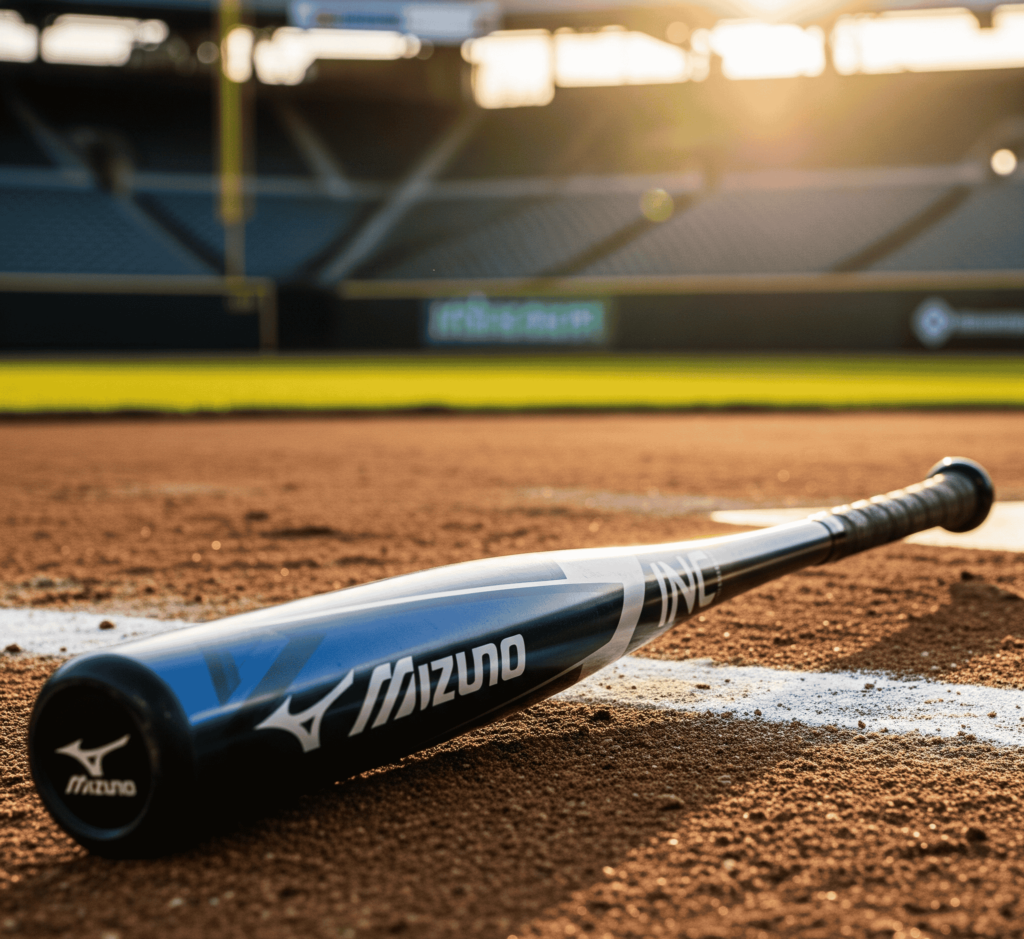
7. Mizuno – Balance and Craftsmanship
Mizuno is widely respected for its Japanese craftsmanship, bringing precision and balance to every bat it produces. Known for blending traditional bat-making methods with modern technology, Mizuno delivers products that emphasize control and consistency. It is especially favored by contact hitters who rely on timing, accuracy, and smooth swings over raw power.
Specifications
Mizuno bats are crafted with high-quality maple wood that reflects traditional Japanese precision, while its BBCOR-certified alloy models ensure competitive performance at advanced levels of play. These bats are engineered to deliver excellent balance, giving players greater swing control and a natural feel at the plate. With a price range of $100 to $300+, Mizuno offers strong value for athletes seeking reliability and refined craftsmanship.
Pros:
- Exceptional balance for improved control.
- High-quality maple wood ensures durability.
- Trusted craftsmanship with consistent performance.
Cons:
- Less power-oriented than end-loaded bats.
- Limited variety compared to larger brands.
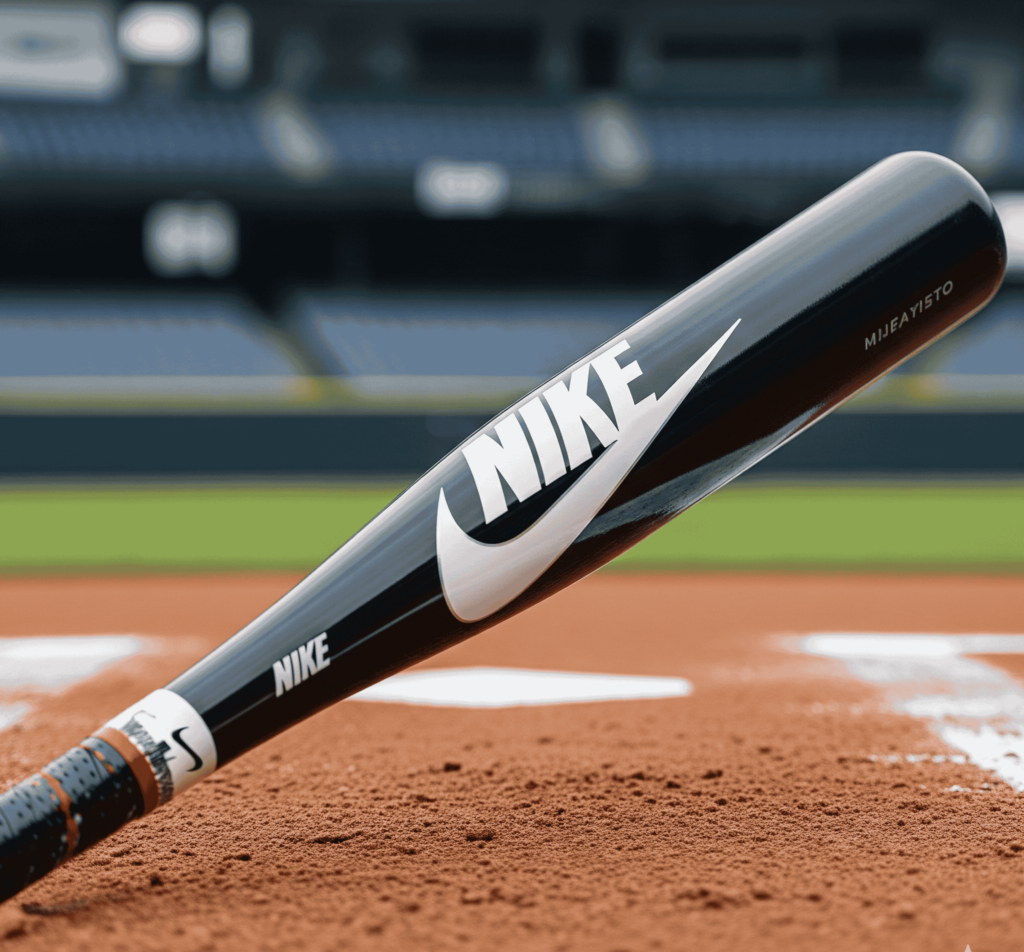
8. Nike – Limited Edition Innovation
Nike brings its global sports influence into baseball with bats that combine exclusivity, performance, and bold design. While its bat lineup is more limited compared to traditional baseball brands, Nike focuses on creating standout products with striking aesthetics and high-end materials. These limited-edition releases are sought after by both elite players and brand enthusiasts who value style as much as performance.
Specifications
Nike bats are produced in limited quantities, giving them a unique collector’s appeal alongside their functionality. Each model emphasizes innovation and strong visual branding, ensuring players stand out on the field. With prices ranging from $250 to $400+, Nike positions its bats as premium products best suited for athletes looking for exclusivity and fans who want to pair performance with the iconic Swoosh identity.
Pros:
- Exclusive designs with collector’s value.
- Premium materials and striking aesthetics.
- Strong brand appeal among elite athletes.
Cons:
- Limited availability makes them harder to find.
- Higher price point compared to competitors.
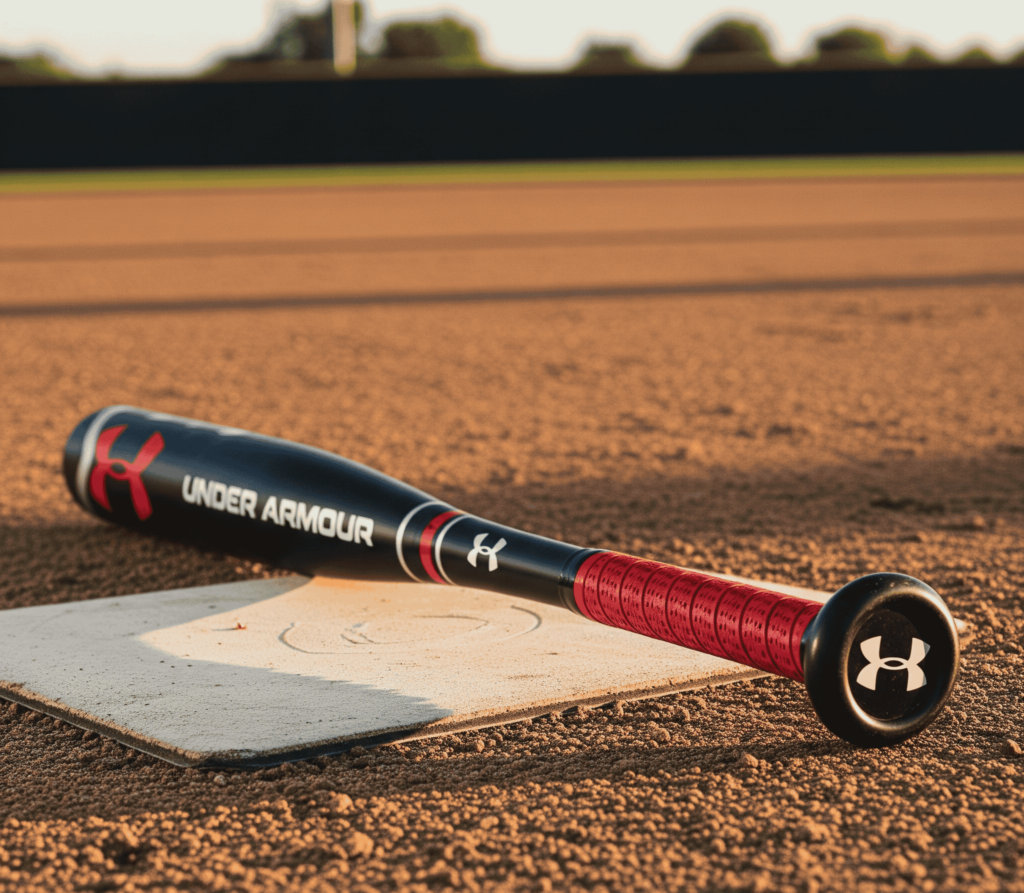
9. Under Armour – Utility Bats for Training and Practice
Under Armour extends its sports innovation into baseball with bats designed for durability and accessibility. While not as premium as pro-level brands, these bats are built to provide reliable performance at an affordable price. They are especially popular among recreational players, youth athletes, and beginners who need dependable gear for training and casual play.
Specifications
Under Armour bats feature a mix of composite and alloy construction, engineered to withstand frequent use while maintaining consistent performance. Built with a focus on utility, they prioritize durability and ease of handling rather than advanced technologies. With prices ranging from $50 to $150, these bats are budget-friendly and serve as a great option for practice sessions, entry-level competition, and recreational leagues.
Pros:
- Affordable and accessible for all players.
- Strong durability for frequent use.
- Ideal for training and practice sessions.
Cons:
- Limited technology compared to top-tier brands.
- Not suited for advanced or elite-level play.
10. Skechers – Entry-Level Affordability
Skechers, best known for its footwear, has entered the baseball bat market with a focus on simplicity and accessibility. Its bats are designed for beginners and casual players who value affordability and ease of use over advanced performance features. With lightweight construction, Skechers provides a straightforward option for those just starting out in the game.
Specifications
Skechers bats are crafted from lightweight aluminum, offering easy handling and a user-friendly swing feel. These models are built primarily for new players, giving them a comfortable entry point into baseball without overwhelming technology or high costs. Falling in the $40 to $100 price range, Skechers targets casual users and those seeking budget-friendly practice bats that prioritize accessibility.
Pros:
- Very affordable for beginners.
- Lightweight aluminum improves handling.
- Simple, no-frills design for casual use.
Cons:
- Not suited for competitive or advanced play.
- Limited innovation and durability compared to premium brands.
Market Comparison of top 10 Brands of BaseBall Bats
| Brand | Best For | Material Focus | Price Range (USD) | Specialty |
| Easton | All levels | Composite, alloy | $150–$500 Buy Now | Massive sweet spot, advanced grip |
| Louisville Slugger | Pro-level hitters | Composite, wood | $100–$600+ Buy Now | Heritage brand with modern AI design |
| Rawlings | Competitive play | Composite, hybrid | $80–$500 Buy Now | Precision engineering, AI swing tuning |
| DeMarini | Power hitters | Alloy, hybrid | $150–$400 Buy Now | Explosive pop, responsive alloy tech |
| Marucci | Custom bats | Wood, hybrid | $80–$400 Buy Now | Traditional craftsmanship and custom feel |
| Warstic | Elite players & style | Premium wood, AI profiles | $150–$500 Buy Now | Artistic aesthetics and pro endorsements |
| Mizuno | Contact hitters | Maple, alloy | $100–$300+ Buy Now | Balance and Japanese precision |
| Nike | Collectors | Composite, wood | $250–$400+ Buy Now | Branding and limited editions |
| Under Armour | Recreational | Alloy, composite | $50–$150 Buy Now | Affordable training and practice bats |
| Skechers | Beginners | Alloy | $40–$100 Buy Now | Entry-level accessibility |
Where to Purchase
You can find a wide selection of baseball bats at leading and trustworthy online platform:
- Amazon: Offers a large variety of bats, including high-end composite models, youth bats, and bulk deals with fast shipping.
- Walmart: Great for affordable alloy and entry-level bats, with in-store pickup and online options for families and casual players.
- Dick’s Sporting Goods: Stocked with pro-level bats, exclusive brand drops, and expert fitting services for competitive athletes.